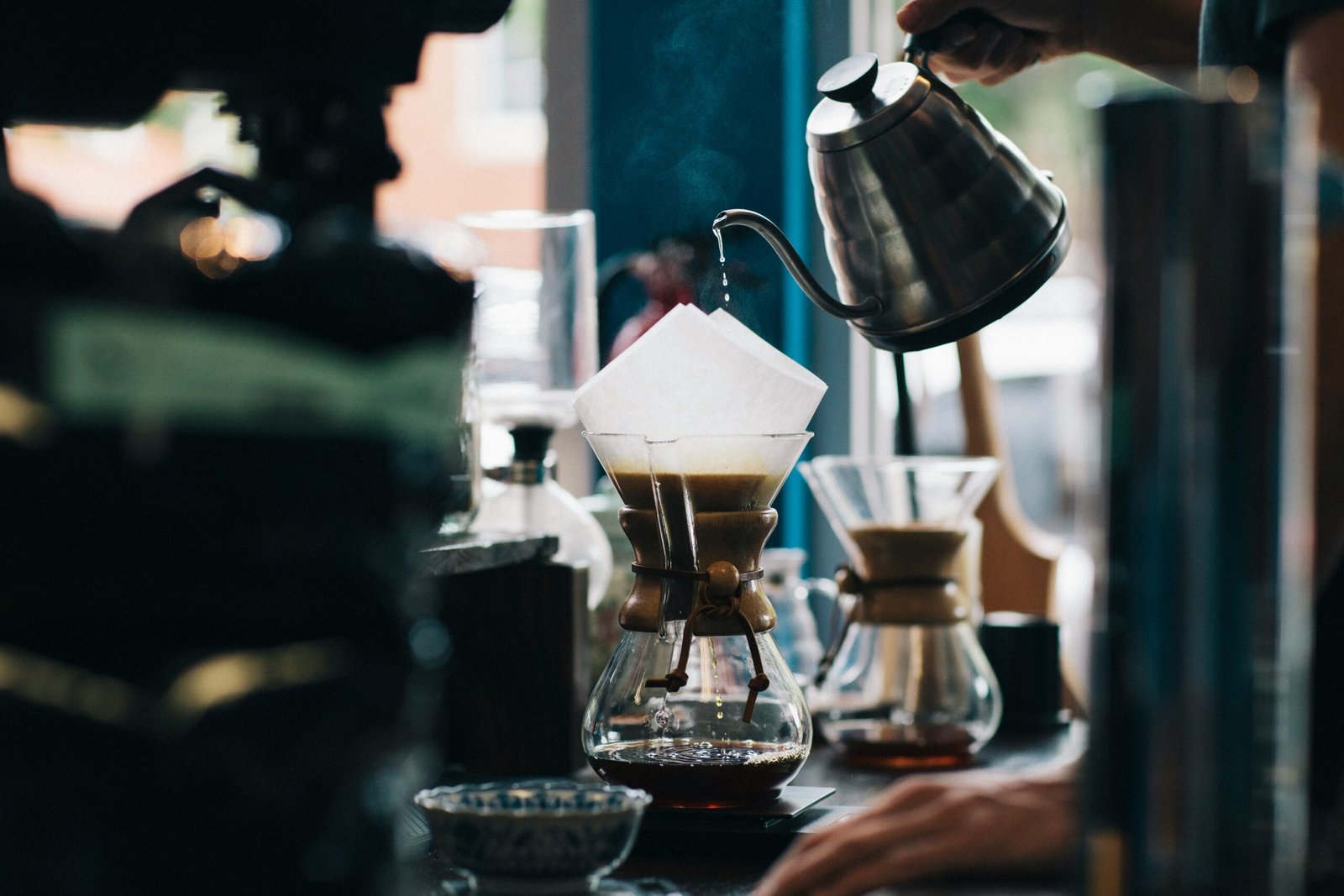
Precision Brewing: Unlocking the Strength in Your Chemex Pour Over
For countless coffee enthusiasts, the morning ritual isn't just about a caffeine kick; it's an art form, a sensory journey, and a moment of precise craftsmanship. If you're chasing that elusive, intensely flavored, yet impeccably smooth cup of strong coffee, look no further than the Chemex pour over method. This iconic brewer, renowned for its elegant design and exceptional filtration, offers unparalleled control over your brew, making it the go-to choice for those who appreciate nuance and strength.
In this comprehensive guide, we'll dive deep into the world of Chemex pour over ratios, specifically focusing on how to achieve that coveted robust flavor. We’ll provide an in-depth
pour over coffee Chemex tutorial that goes beyond basic instructions, empowering you to master the ratios and unlock the full potential of your beans for truly strong coffee.
Understanding the Magic of Chemex Pour Over Coffee
What exactly is pour over coffee? At its core, pour over is a method where hot water is slowly and evenly poured over a bed of coffee grounds, allowing gravity to draw the extracted coffee through a filter and into a carafe. It's a method that emphasizes deliberate control, enabling the brewer to influence every variable from water temperature to pour rate.
The Chemex stands out within the pour over family for several reasons. Invented in 1941 by Dr. Peter Schlumbohm, its distinctive hourglass shape and thick, proprietary filters are key to its unique brewing characteristics. These filters are significantly heavier than standard drip coffee filters, removing more sediment and oils, which results in an incredibly clean, bright, and nuanced cup with very little bitterness. This clarity makes the Chemex an ideal vessel for showcasing the intricate flavors of high-quality beans, and crucially, for allowing the strength of your coffee to shine without muddiness. While some might ask, "What's the difference between a Chemex and a pour over coffee?" the answer is simple: a Chemex *is* a type of pour over coffee maker. It’s a specialized tool within the pour over umbrella, celebrated for its unique filtration and aesthetic.
The precision offered by the Chemex method – measuring both coffee and water by weight – is what elevates it above many other brewing styles. This scientific approach ensures consistency, allowing you to replicate your perfect strong brew time and time again, and fine-tune it to your exact preferences.
Essential Tools for Your Precision Brewing Journey
Before we delve into the magic ratios, let’s ensure you have the right arsenal for precision brewing. Each tool plays a vital role in achieving that perfect strong Chemex coffee. For an even deeper dive into brewing equipment, check out our guide on
Elevate Your Brew: Essential Tools for Perfect Chemex Coffee.
*
Chemex Coffee Maker: Available in various sizes (3, 6, 8, and 10-cup), choose one that suits your daily coffee consumption. Its non-porous borosilicate glass ensures no residual flavors taint your brew.
*
Chemex Filters: These are non-negotiable. The thick, bonded Chemex paper filters (available as squares or circles) are designed to remove undesirable elements, providing that signature clean cup. While reusable mesh filters exist, they won't yield the same clarity.
*
Electric Kettle with Temperature Control: Precision is paramount. An electric kettle allowing you to set an exact temperature (ideally between 195-205°F or 90-96°C) is crucial. Water that's too hot can scald the coffee, leading to bitterness, while water that's too cool will under-extract, resulting in a weak and sour brew.
*
Digital Food Scale: This is arguably the most critical tool for achieving strong coffee. Measuring coffee beans and water by weight (grams) ensures accuracy and repeatability. Volume measurements (like scoops and cups) are inconsistent due to variations in bean density and grind size.
*
High-Quality Coffee Beans: The foundation of any great coffee is the bean itself. For pour over, many enthusiasts prefer single-origin beans, which offer distinct flavor profiles tied to their specific region of origin. Freshness is also key – always buy recently roasted beans. While blends work perfectly fine, single-origins often provide a more fragrant and complex experience.
*
Burr Grinder: While not explicitly listed in all basic tutorials, a high-quality burr grinder is indispensable. Pre-ground coffee rapidly loses its flavor and aroma. A burr grinder ensures uniform particle size, which is essential for consistent extraction in a Chemex. For pour over, a medium-coarse grind, resembling sea salt or coarse sand, is ideal. Too fine, and your brew will be over-extracted and bitter; too coarse, and it will be weak and sour.
Decoding the Ratios: Crafting Your Strong Chemex Coffee
The coffee-to-water ratio is the single most impactful variable when it comes to controlling the strength of your coffee. For those who crave a potent, full-bodied cup, precision in this area is paramount. We measure our coffee and water by weight, not volume, for ultimate accuracy.
Here's a breakdown of common ratios, with a special emphasis on achieving that robust, strong flavor:
*
Weak(er) Coffee: 1 gram of coffee beans to 17 milliliters of water (1:17 ratio)
*
Medium Coffee: 1 gram of coffee beans to 16 milliliters of water (1:16 ratio)
*
Strong Coffee: 1 gram of coffee beans to 15 milliliters of water (1:15 ratio)
For us, and for anyone who appreciates truly strong coffee without sacrificing clarity, the
1:15 ratio is the magic number. This ratio ensures a higher concentration of coffee solids in your final brew, delivering that intense flavor and satisfying kick.
Let’s put this into practice with a couple of examples:
*
For a single, strong cup (approximately 15 oz / 450ml):
* Target water weight: 450ml
* Coffee needed: 450ml / 15 =
30 grams of coffee beans
*
For two strong cups (approximately 20 oz / 600ml):
* Target water weight: 600ml
* Coffee needed: 600ml / 15 =
40 grams of coffee beans
Always measure your whole coffee beans first, then grind them just before brewing for maximum freshness and flavor. Remember, 1ml of water is approximately 1 gram, so you can think of these ratios as 1:15 by weight.
Beyond Ratios: Other Factors Influencing Strength and Flavor
While the coffee-to-water ratio is crucial, several other factors contribute significantly to the perceived strength and overall flavor profile of your Chemex brew. Understanding and manipulating these elements allows for an even deeper level of control in your
pour over coffee Chemex tutorial journey. For a comprehensive step-by-step brewing guide that incorporates these elements, refer to
Mastering Chemex Pour Over: Your Step-by-Step Guide.
*
Grind Size: As mentioned, a medium-coarse grind is ideal for Chemex. If your coffee tastes weak or sour, your grind might be too coarse, causing water to pass through too quickly without extracting enough flavor. If it's bitter or clogs the filter, your grind might be too fine, leading to over-extraction and slow draw-down times. Experiment with slight adjustments until your brew time (typically 3.5-5 minutes) and taste are optimal.
*
Water Quality: Your coffee is 98% water, so its quality profoundly impacts the taste. Filtered water is always recommended. Avoid distilled water (it lacks minerals essential for extraction) and overly hard water (which can lead to a flat taste).
*
Water Temperature: Stick to the sweet spot of 195-205°F (90-96°C). Water that is too cool will struggle to extract the desirable flavors and strength, resulting in a weak and under-developed brew, even with a strong ratio.
*
Coffee Bean Roast Level: The roast level plays a big role in flavor and perceived strength.
*
Light Roasts: Often retain more of the bean's origin characteristics, offering brighter acidity, floral, or fruity notes. They can be less bitter in a roasty sense, but might have a more pronounced tangy or astringent quality if under-extracted.
*
Medium Roasts: Offer a balance of origin character and roast development, often presenting notes of chocolate, caramel, or nuts.
*
Dark Roasts: Develop bolder, more pronounced roasty, bittersweet flavors with lower acidity. While the context mentions "The longer it’s roasted, the more bitter it will be," this primarily refers to the development of robust, smoky, and carbonized bitterness, which many associate with "strong" coffee flavor. If you find dark roasts too bitter, try backing off your water temperature slightly or adjusting your grind coarser.
*
Brew Time and Pour Technique: A controlled pour is essential. After an initial "bloom" pour (wetting all grounds and allowing them to off-gas for 30-45 seconds), continue pouring in stages, maintaining a consistent water level and avoiding pouring directly onto the filter walls. A total brew time (including bloom) between 3.5 to 5 minutes is often a good target for a Chemex. If your brew is too fast, try a finer grind; if too slow, try coarser.
Conclusion
Mastering the Chemex pour over method, particularly the precise coffee-to-water ratios, is your ticket to consistently brewing strong, flavorful coffee. By embracing the 1:15 ratio and paying close attention to factors like grind size, water temperature, and pour technique, you transform your morning routine into an act of precision brewing. The Chemex not only delivers a superior cup but also invites you into a mindful process that truly celebrates the coffee bean. Experiment, refine, and savor the rich, clean, and unmistakably strong coffee that only a perfectly executed Chemex pour over can provide. Enjoy the journey of discovery, one perfect cup at a time!